
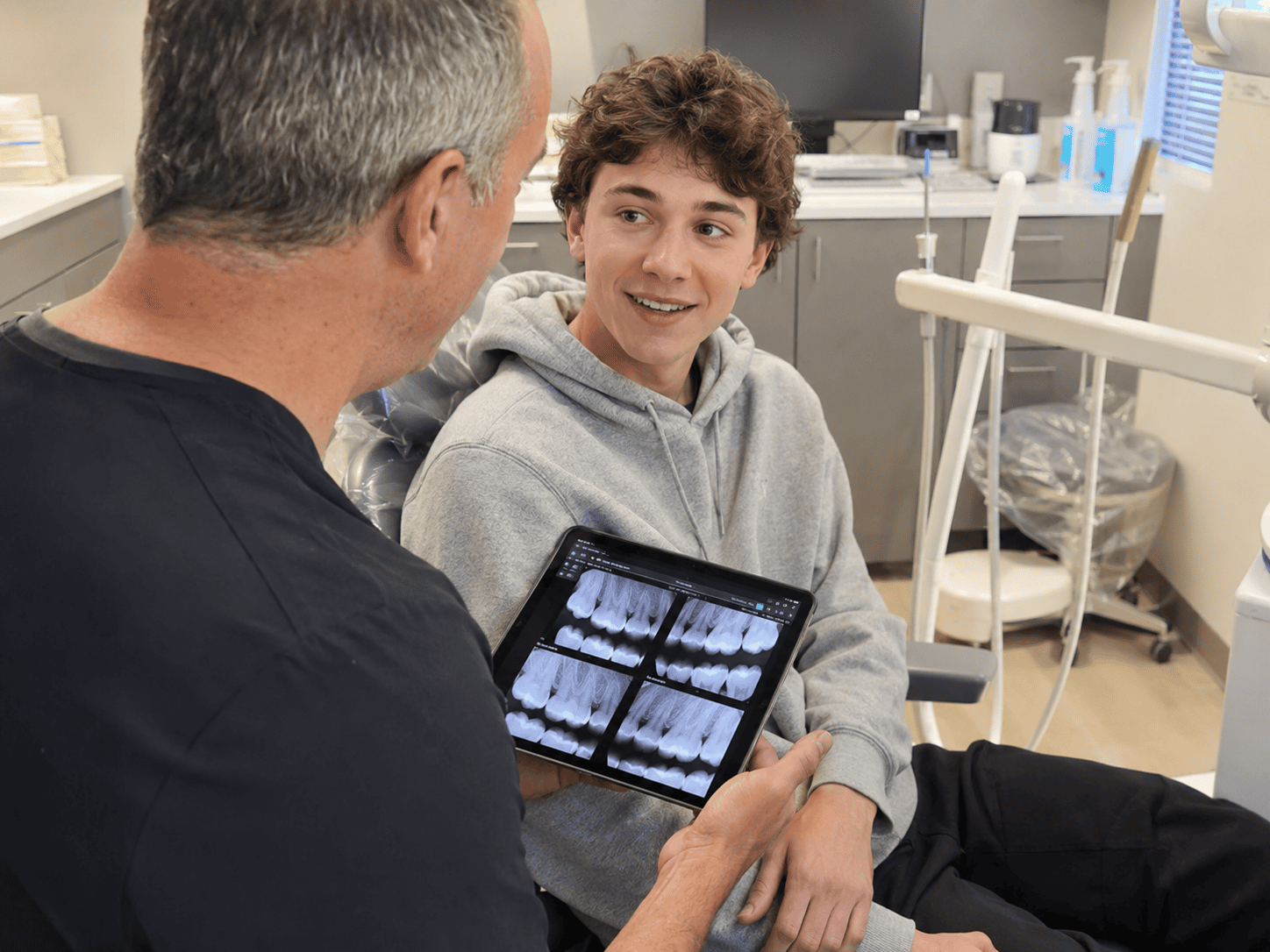
The teen years bring many changes, and dental care evolves along with them. By adolescence, most permanent teeth other than wisdom teeth are typically present or continuing to erupt, daily routines become more independent, and teenagers begin making more of their own choices about food, drinks, oral hygiene, and personal health.
That does not mean teens suddenly need an entirely different kind of dentistry. Regular dental visits, brushing, flossing, and preventive care remain important. What changes most is the level of responsibility teenagers begin taking for their own oral health and the types of concerns the dental team may need to monitor as they continue developing.
At Harter Family Dental, teen dental care is part of comprehensive family dentistry. The goal is to help teenagers understand their oral health, develop habits they can carry into adulthood, and receive personalized care as their needs change.
Teens Begin Taking More Responsibility for Daily Dental Care
When children are younger, parents often play a direct role in brushing, flossing, scheduling appointments, and making dental decisions. During the teen years, more of those responsibilities gradually shift to the teenager.
Teens may begin managing their own brushing and flossing routines, paying more attention to what they eat and drink, remembering treatment instructions, and speaking up when a tooth feels different. If they use removable dental appliances such as clear aligners, they also need to take responsibility for following the recommended routine.
Parents still have an important role, but that support may look different. Instead of supervising every brushing session, parents may provide reminders, keep dental supplies available, schedule routine visits, and encourage teens to ask their own questions during appointments.
Giving teenagers opportunities to describe symptoms, answer questions about their habits, and participate in treatment discussions can help them become more confident in managing their health.
Regular Dental Visits Still Matter
Teenagers may assume that if nothing hurts, everything must be fine. However, some dental concerns can develop before they cause noticeable discomfort.
Routine exams and professional cleanings allow the dentist to evaluate the teeth and gums, check existing dental work, look for signs of decay, and follow changes as the mouth develops. Visits can also help identify areas being missed during brushing or habits that may be increasing a teen’s risk for dental problems.
As teens become more independent, these appointments also provide an opportunity for education. A teenager can ask about sensitivity, tooth appearance, alignment, wisdom teeth, or other changes they have noticed instead of relying entirely on a parent to manage the conversation.
Preventive care remains familiar, but teens increasingly become active participants in it.
Food and Drink Habits Can Affect Teen Oral Health
School, sports, work, social activities, and busy schedules can change how often teenagers eat and drink throughout the day. Frequent snacking and regularly sipping sugar-containing beverages can increase cavity risk, while repeated exposure to acidic drinks can also contribute to enamel erosion.
Soda, sports and energy drinks, sweetened coffee beverages, and frequent sugary snacks can all increase how often teeth are exposed to sugar or acid. The concern is not that a teenager can never enjoy these foods or drinks. Frequency, overall habits, and daily oral hygiene all matter.
Drinking water regularly, limiting frequent sugary drinks, brushing consistently, and maintaining routine dental visits can help protect the teeth. Helping teenagers understand why these habits matter may also make it easier for them to make thoughtful choices when parents are not around.
Permanent Teeth Need Long-Term Care
By adolescence, most of the teeth a teenager relies on are permanent. Because these teeth are intended to serve them well into adulthood, prevention and appropriate treatment take on long-term importance.
When a cavity requires restoration, a tooth-colored filling may be appropriate depending on the extent of the decay and the condition of the tooth. Other dental concerns may require different treatment based on how much structure has been affected and the overall health of the tooth.
Teenagers should also understand that dental work requires ongoing care. Having a filling or another restoration does not make a tooth maintenance-free. Daily hygiene and regular dental evaluations continue to matter after treatment.
This stage is a good opportunity to help teens connect the choices they make today with the long-term health of their permanent teeth.
Wisdom Teeth May Become Part of the Conversation
Wisdom teeth often begin becoming more relevant during adolescence, although the timing and development vary from person to person.
A dentist may monitor their position, development, and how they are affecting the surrounding areas. Some wisdom teeth may not cause problems, while others may become difficult to keep clean, remain partially erupted, cause symptoms, or develop in a position that requires closer evaluation.
Harter Family Dental provides wisdom tooth extractions when appropriate, but removal is not automatically necessary for every teenager. The recommendation depends on the individual teeth, symptoms, development, and other clinical findings.
Regular visits allow the dentist to monitor changes over time and explain whether any additional care should be considered.
Sports Can Create New Dental Considerations
Teenagers who participate in sports or other physical activities may face additional risks to their permanent teeth. Contact with another player, equipment, or the ground can result in a chipped, loosened, displaced, or painful tooth.
Using appropriate protective equipment for the activity can help reduce the risk of injury. Teens should also be encouraged to tell a parent or dentist promptly if a tooth feels different after an impact, even if the injury initially seems minor.
If an injury does occur, emergency dental care can help determine the extent of the problem and whether treatment is needed.
Learning to recognize and report dental injuries is another way teens can become more responsible for their own health.
Tooth Alignment May Become a Bigger Conversation
As the permanent teeth settle into place, concerns such as crowding, spacing, or the way the teeth fit together may become more noticeable.
Harter Family Dental offers ClearCorrect® clear aligners for appropriate patients. These removable aligners gradually move teeth according to an individualized treatment plan, but they are not appropriate for every alignment or bite concern.
Clear aligners also require responsibility from the patient. Teens need to follow wear instructions, keep their aligners clean, and stay consistent with the treatment plan.
An evaluation can help determine whether ClearCorrect® is an appropriate option based on the teen’s specific dental needs and goals.
What Stays the Same During the Teen Years?
Even as teenagers gain independence, the foundations of good dental care remain familiar. Brushing thoroughly twice a day, flossing between teeth, making thoughtful food and drink choices, keeping regular dental appointments, and speaking up when something feels different all continue to matter.
What changes is that teenagers gradually begin managing more of these habits themselves. Parents can continue offering reminders and support while encouraging their teen to understand why those habits are important.
The transition does not have to happen all at once. The goal is for teens to leave adolescence with the knowledge and routines they need to take care of their smiles more independently.
Help Your Teen Build Healthy Habits for Adulthood
The teen years are an important bridge between childhood dental care and the routines a person will eventually manage on their own.
Preventive care remains the foundation, but greater independence may be accompanied by new considerations involving permanent teeth, wisdom teeth, sports, tooth alignment, diet, and changing daily routines. Having an established family dental home can provide continuity while recommendations adapt to those changing needs.
Harter Family Dental provides family-focused dental care for patients at different stages of life, with an emphasis on prevention, education, comfort, and personalized treatment.
If your teenager is due for a dental visit, contact Harter Family Dental to schedule an appointment. A routine visit is an opportunity to review their oral health, discuss developing concerns, and help them continue building healthy habits as they become more independent.